A dedicated disaster recovery environment is essential because it gives broadcast operations a tested, independent system that can take over when the primary infrastructure fails, ensuring the station stays on air. Unlike a simple backup, a DR environment is a fully operational replica of your production setup, ready to run live broadcasting without manual rebuilding. The sections below address the most common questions broadcasters ask when evaluating their DR strategy.
What happens to a radio station without a dedicated DR environment?
Without a dedicated disaster recovery environment, a radio station risks going off air entirely during a system failure, cyberattack, or infrastructure outage. Recovery depends on manual intervention, spare hardware, and rebuilding workflows from scratch, a process that can take hours or days. In broadcasting, even minutes of silence carry serious consequences for audience trust, advertising commitments, and regulatory obligations.
The practical impact extends well beyond dead air. Staff lose access to scheduling logs, audio libraries, and live playout tools simultaneously. Advertisers may claim compensation for missed spots. Regulatory bodies in many markets require evidence of continuity planning, and a prolonged outage can trigger compliance reviews.
There is also a compounding risk: the same event that takes down the primary system, whether a power failure, ransomware incident, or physical damage to a facility, often makes local recovery attempts harder. Without a geographically or logically separate environment standing by, the station has no safe fallback point from which to resume normal operations.
What is the difference between a backup and a disaster recovery environment?
A backup is a copy of your data. A disaster recovery environment is a fully operational system that can run your station’s workflows independently of the primary infrastructure. The critical distinction is readiness: a backup requires time and effort to restore before it becomes useful, while a dedicated DR environment is designed to be operational within minutes of a failover decision.
Consider what a radio station actually needs to broadcast: scheduling data, audio assets, playout software, integrations with ad systems and newsroom tools, and live audio routing. A data backup preserves the files, but it does not preserve the configured, connected, tested environment in which those files are used. Restoring from backup to a blank server still requires reinstalling software, reconfiguring integrations, and verifying that everything works, all under pressure during an active incident.
A dedicated DR environment, by contrast, mirrors the production setup continuously. It holds current configuration, maintains active connections, and has been tested against real broadcast scenarios. When a failure occurs, operators switch to the DR environment rather than rebuilding from backup. The two approaches serve different purposes: backups protect against data loss, while a DR environment protects against operational downtime.
What are the key components of a dedicated disaster recovery environment?
A dedicated disaster recovery environment for broadcast operations requires five core components: a replicated playout and automation system, synchronized audio asset storage, active integration with scheduling and newsroom tools, a defined and tested failover procedure, and a separate network path that is independent of the primary infrastructure.
Each component addresses a specific failure mode. The replicated automation system ensures that scheduling, logging, and live playout can continue without the primary server. Synchronized audio storage means the DR environment has access to the same music libraries, jingles, and recorded content, not a stale copy from the last manual sync. Active integrations ensure that ad scheduling, traffic, and news feeds continue flowing into the DR environment rather than requiring manual reconnection under pressure.
The failover procedure is often the most overlooked component. A DR environment without a documented, rehearsed procedure is significantly less valuable than one where every operator knows exactly which steps to follow, in which order, and who is responsible for each action. Finally, network independence matters because many outages affect connectivity as well as servers. A DR environment that shares the same internet uplink or internal network as the primary system may become unreachable at exactly the moment it is needed.
How does a cloud-based DR environment differ from an on-premise setup?
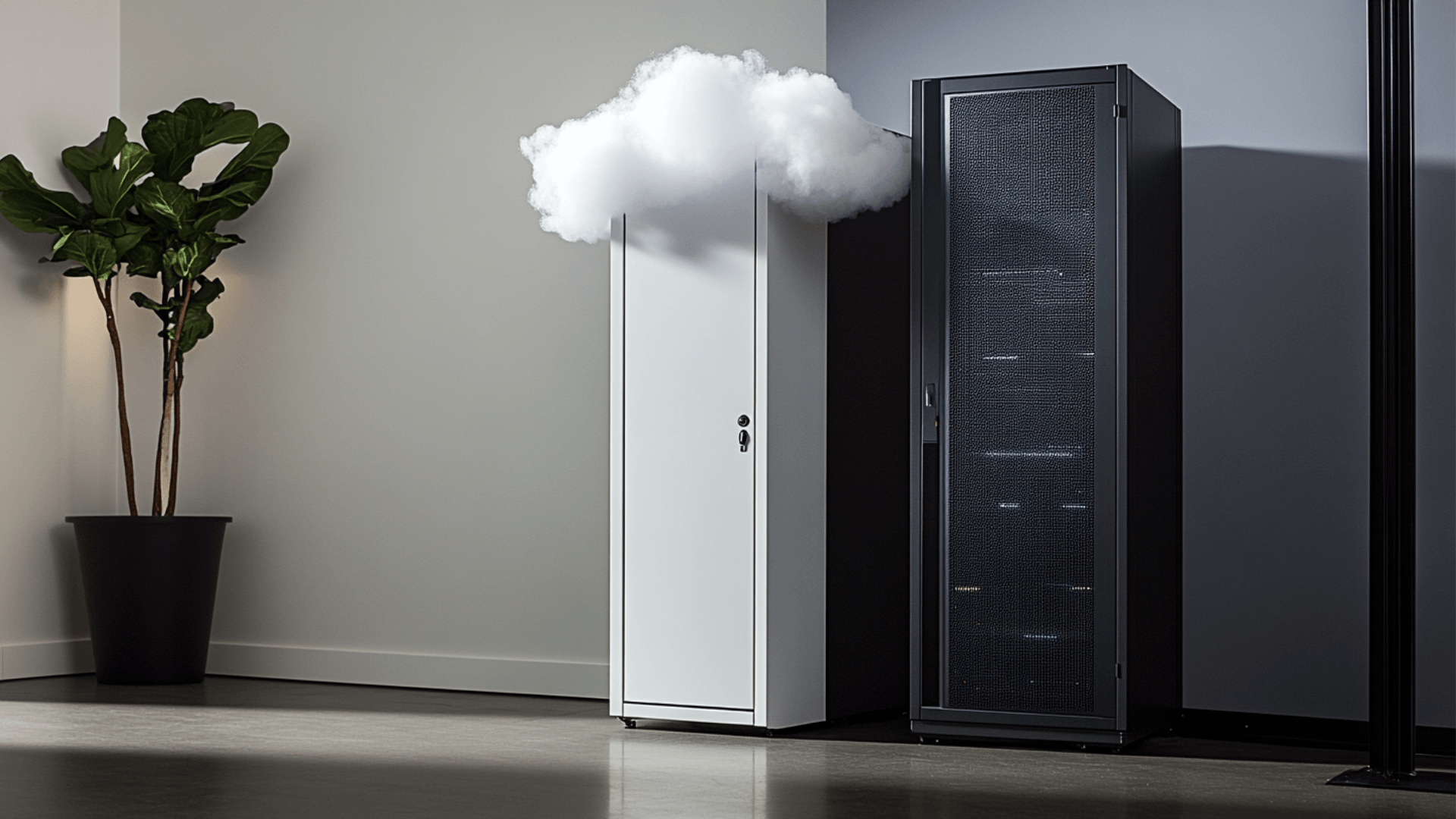
A cloud-based disaster recovery environment separates your DR infrastructure from the physical location of your primary facility, which is its most significant advantage over an on-premise setup. If your primary station is affected by a local power failure, flood, or physical security incident, a cloud DR environment remains accessible from any location with an internet connection.
On-premise DR setups typically involve a secondary server room or a co-located rack in a separate building. These are viable for some failure scenarios, but they carry ongoing hardware costs, require maintenance, and can still be affected by regional infrastructure failures. Scaling an on-premise DR environment to match a growing primary system also requires capital investment each time capacity increases.
Cloud-based DR environments scale dynamically and can be updated to match the primary system’s configuration without physical hardware changes. For radio automation specifically, platforms like RadioMan® are designed to support local, cloud, and hybrid deployments, which means the same browser-based interface that operators use in the primary studio works identically in the DR environment, reducing retraining and confusion during an incident. The trade-off with cloud DR is dependency on internet connectivity, which is why many broadcasters choose a hybrid model that maintains a minimal on-premise fallback alongside a cloud DR environment.
How often should a disaster recovery environment be tested?
A disaster recovery environment should be tested at minimum twice per year, with a full live simulation at least once annually. Testing frequency should increase if the primary system undergoes significant changes, such as software upgrades, new integrations, or infrastructure migrations, because any of these can break the DR environment’s synchronization or compatibility without anyone noticing until a real incident occurs.
Testing takes several forms, and each serves a different purpose. A configuration audit checks that the DR environment reflects the current state of the primary system. A tabletop exercise walks the team through the failover procedure without switching live traffic. A live failover test actually routes broadcast output through the DR environment, which is the only way to confirm that audio quality, scheduling logic, and integrations all function correctly under real conditions.
Many broadcast organizations avoid live failover tests because they feel risky. In practice, the risk of discovering a DR failure during a planned test is far lower than discovering it during an actual emergency. Scheduling tests during low-traffic periods, such as overnight or on a weekend, reduces audience impact while still validating the environment under realistic conditions. Test results should be documented and used to update the failover procedure, since a DR plan that has never been tested is not a plan, it is a hypothesis.
When should a media organization invest in a dedicated DR environment?
A media organization should invest in a dedicated disaster recovery environment before it needs one, specifically when broadcast continuity is a regulatory requirement, when advertising revenue depends on guaranteed airtime, or when the operational risk of a single extended outage justifies the investment. For specific guidance on what a DR environment would involve for your setup, contact us directly. For most professional broadcast operations, the case for formal DR planning is reached well before the organization considers itself large enough to require it.
Size is not the primary factor. A single-station operator with a strong local audience and committed advertisers faces the same reputational and financial consequences from an outage as a multi-channel network, just at a smaller scale. The relevant question is not how big the organization is, but how much it can afford to lose if the primary system goes down for four, eight, or twenty-four hours.
The investment decision also shifts as infrastructure evolves. Organizations migrating from legacy hardware to cloud-based broadcast automation are in a particularly good position to build DR into the architecture from the start, rather than retrofitting it later. Industry experience in broadcast automation consistently shows that DR environments are easier to implement during a platform migration than after the new system has been in production for several years. If your organization is evaluating a move to cloud-based radio automation in 2026, that transition is the right moment to define your DR strategy alongside your primary deployment, not as an afterthought.
Organizations operating in regulated broadcast markets, or those serving national audiences as confirmed public broadcaster deployments demonstrate, typically treat a dedicated DR environment as a non-negotiable operational requirement rather than an optional investment. The practical standard for any professional media organization is straightforward: if going off air is unacceptable, then a dedicated disaster recovery environment is not a luxury, it is part of the broadcast infrastructure.