Cloud-based radio broadcasting allows stations to manage content production, scheduling, and live broadcasting through internet-hosted platforms accessible from any location. This technology replaces traditional hardware-dependent systems with browser-based solutions that offer flexibility, reduced infrastructure costs, and collaborative workflows. Modern cloud radio automation software enables broadcasters to operate professionally without being tied to physical studios or expensive on-premise equipment.
What is cloud-based radio broadcasting and how does it work?
Cloud-based radio broadcasting operates through internet-hosted platforms that handle all aspects of radio production and transmission remotely. Unlike traditional systems requiring dedicated hardware, servers, and physical infrastructure, cloud solutions run on distributed cloud infrastructure accessible through standard web browsers. Radio stations connect to these platforms via internet connections, managing everything from content creation and scheduling to live broadcasting and archiving without location constraints.
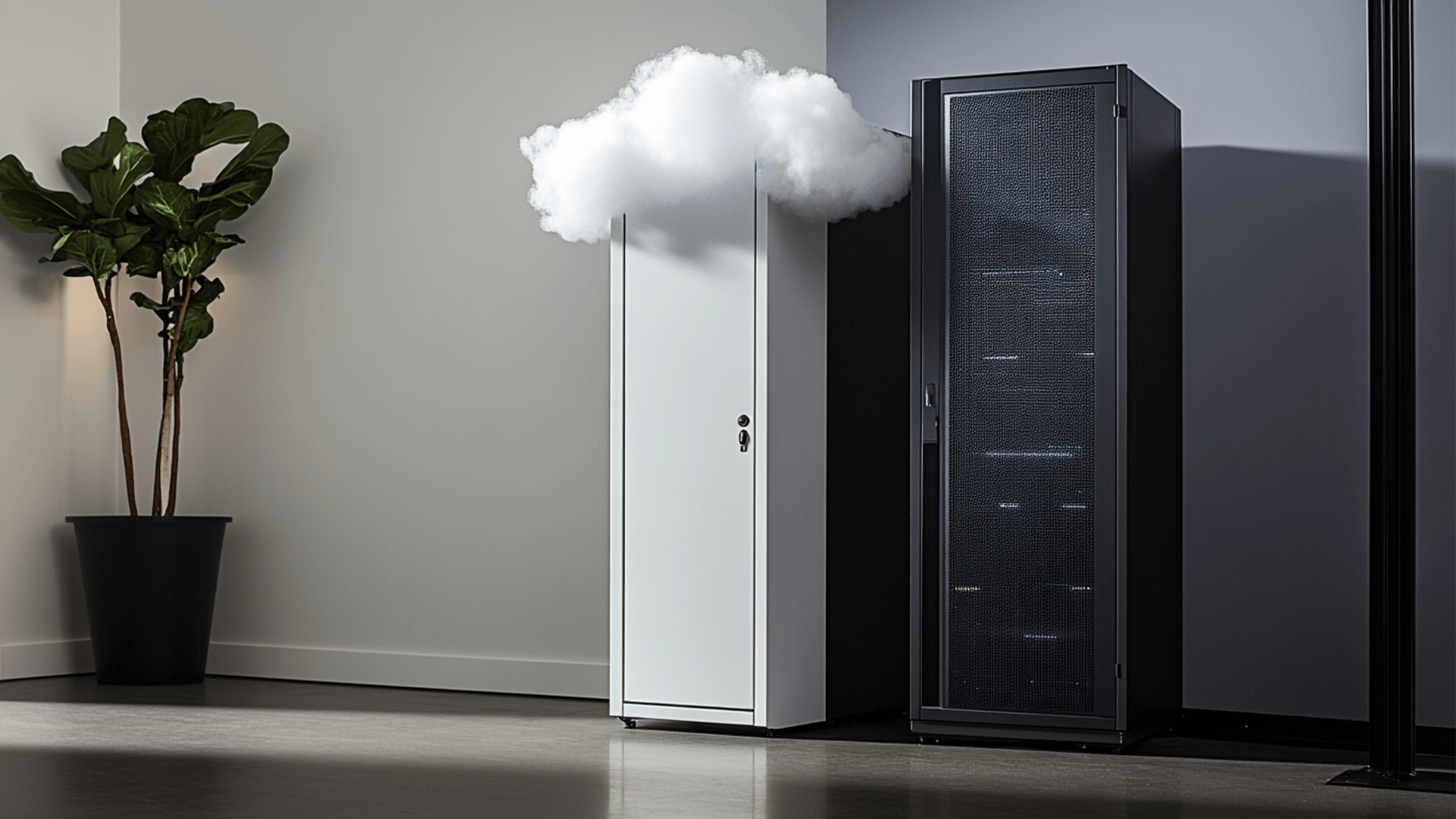
The fundamental architecture differs significantly from legacy on-premise systems. Traditional radio stations invest in physical servers, audio processors, mixing consoles, and automation computers housed within studio facilities. Cloud platforms shift these functions to hosted environments where the infrastructure is maintained by the service provider. Broadcasters access the system through browser-based interfaces, with audio processing and mixing handled by cloud-hosted media nodes that ensure professional-grade output quality.
This approach enables radio professionals to work from anywhere with reliable internet access. Producers can schedule programmes from home offices, journalists can contribute live reports from mobile devices, and station managers can oversee operations whilst travelling. The technology supports multiple users accessing the same system simultaneously, with permissions and roles managed centrally to maintain broadcast security and workflow organization.
What are the main benefits of using cloud-based radio automation software?
Cloud-based radio automation delivers substantial operational and financial advantages over traditional systems. Stations eliminate significant upfront hardware investments and ongoing maintenance costs whilst gaining flexibility to scale operations according to changing needs. Teams work more efficiently through remote accessibility, and stations benefit from continuous platform improvements without managing technical updates themselves.
Infrastructure cost reduction represents one of the most immediate benefits. Broadcasters avoid purchasing expensive servers, audio processors, and dedicated computers for automation systems. There are no hardware refresh cycles requiring capital expenditure every few years, and stations redirect IT resources from system maintenance to content creation. Cloud platforms operate on subscription models with predictable recurring costs rather than unpredictable equipment failures and repair expenses. For specific pricing information, please contact us directly.
Remote accessibility transforms how radio teams operate. Staff members access full production capabilities from any location, enabling flexible work arrangements and reducing facility space requirements. Journalists contribute live reports using smartphones without additional equipment, whilst producers manage scheduling and playlisting from home offices. This geographic flexibility proves particularly valuable for stations operating across multiple cities or managing distributed production teams.
Lightweight updates ensure stations always operate with current features and security patches with minimal manual work. Traditional systems require scheduled maintenance windows, technical expertise for updates, and potential compatibility issues between components. Cloud platforms streamline this process by handling most updates in the background and reducing the need for on-site technical work. While short maintenance breaks may still occur, updates are generally faster, more predictable, and far less disruptive than with traditional setups.
Scalability allows stations to adjust capacity according to demand. Growing broadcasters add users, storage, and processing power without hardware procurement delays. Seasonal programming changes or special event coverage scale resources temporarily without permanent infrastructure investments. This flexibility supports both startup stations beginning with minimal resources and established broadcasters expanding their operations.
Disaster recovery capabilities improve broadcast continuity. Instead of relying on built-in redundancy, cloud platforms make it straightforward to deploy a dedicated disaster recovery environment. This backup system can be activated whenever the on-premises installation—or even the primary cloud-hosted system—is unreachable. By following predefined rules, essential broadcast material can be replicated to the backup environment, ensuring stations can maintain operations even during unexpected outages or disruptions.
How does cloud-based broadcasting improve radio station workflows?
Cloud broadcasting platforms streamline radio production through integrated tools and collaborative features that eliminate workflow bottlenecks. Teams coordinate more effectively when everyone accesses the same system in real-time, content moves smoothly between production stages, and geographic barriers no longer limit collaboration. These workflow improvements translate directly to faster programme production and more responsive broadcasting.
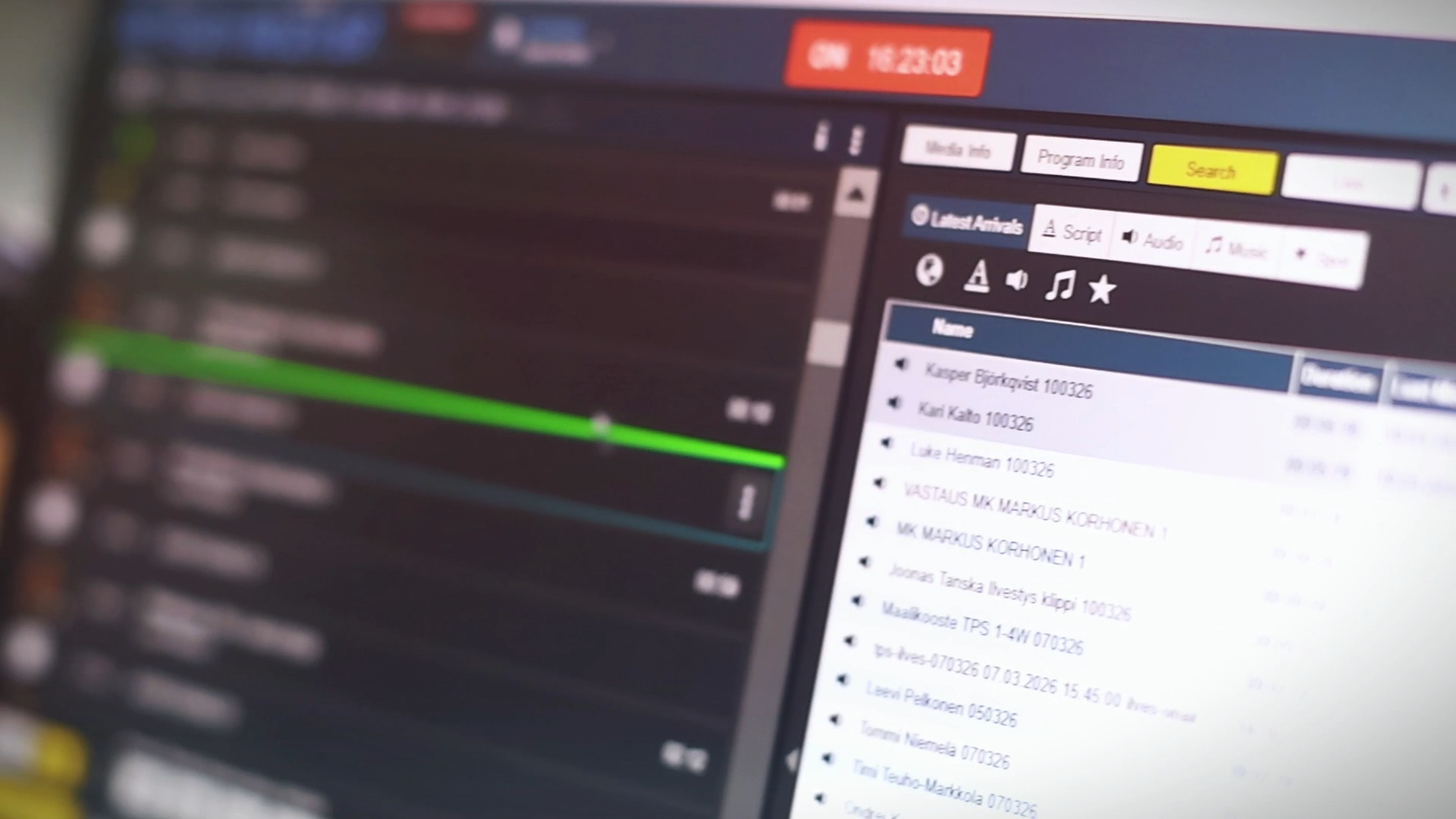
Content production becomes more efficient when all tools operate within a unified platform. Producers access audio editors, music selection interfaces, programme planning tools, and scheduling systems through the same browser-based environment. This integration eliminates file transfers between separate applications, reduces format compatibility issues, and maintains consistent metadata throughout the production process. Team members see content status in real-time, knowing exactly which segments are ready for broadcast and which require additional work.
Scheduling and playlisting simplify significantly with cloud-based systems. Producers build programme schedules collaboratively, with multiple team members contributing content simultaneously without version conflicts. Changes appear instantly across the system, ensuring presenters and technical operators always work from current schedules. Music rotation rules, advertising placement, and regulatory requirements apply consistently through centralized management rather than individual workstation configurations.
Real-time collaboration enables production workflows previously impossible with traditional systems. A journalist reporting from a sports event can broadcast live whilst a studio producer manages background music and transitions. Programme directors review and approve content remotely whilst editors continue working on the same material. External contributors join broadcasts through secure invite-based access without requiring physical studio presence or complex equipment setups.
Integration capabilities connect cloud radio automation with other broadcasting tools. Traffic systems for advertising management, news wire services, and streaming distribution services link through standardized interfaces. This connectivity automates repetitive tasks, reduces manual data entry, and ensures consistency across all broadcast channels and digital platforms.
Geographic barriers disappear when production teams access cloud platforms from any location. Stations operate effectively with staff distributed across cities or countries, journalists contribute from field locations as easily as from studios, and expert contributors participate in programmes without travel requirements. This flexibility expands the talent pool available to stations and enables coverage of events regardless of location.
What should radio stations look for in cloud radio automation software?
Selecting appropriate cloud radio automation requires evaluating core functionality, accessibility, and operational reliability. Stations need platforms offering comprehensive broadcasting capabilities through intuitive interfaces that teams adopt quickly. The right solution balances feature completeness with ease of use whilst providing dependable performance that maintains broadcast quality and continuity.
Browser-based accessibility represents a fundamental requirement for modern cloud solutions. Staff should access full functionality through standard web browsers without installing specialized software on individual computers. This approach simplifies deployment, supports diverse devices including tablets and smartphones, and ensures consistent user experiences across different operating systems. Look for platforms that work reliably on current browser versions without requiring frequent plugin updates or compatibility adjustments.
Modular and scalable architecture allows stations to implement features matching current needs whilst expanding capabilities as operations grow. Quality platforms offer flexible configurations supporting small commercial stations through to large multi-channel broadcasters. Evaluate whether solutions permit adding users, storage capacity, and advanced features without system migrations or complete reconfigurations that disrupt operations.
Comprehensive broadcasting functionality should cover the complete radio production workflow. Essential capabilities include content production tools, programme planning and scheduling, music selection and rotation management, live broadcasting and audio mixing, and archiving for compliance and content reuse. Systems integrating these functions within a unified platform deliver better workflow efficiency than cobbling together separate specialized applications.
Reliability and uptime guarantees protect broadcast continuity. Investigate service level agreements, infrastructure redundancy, and historical performance records. Quality providers maintain distributed cloud infrastructure with backup systems ensuring continued operation during component failures. Whilst manual failover processes are acceptable, stations should understand recovery procedures and expected restoration timeframes during outages.
User-friendly interfaces determine how quickly teams become productive with new systems. Evaluate whether platforms present complex functionality through logical, intuitive designs that reduce training requirements. Well-designed systems guide users through common tasks naturally whilst providing advanced features for experienced operators. Request demonstration access allowing actual staff members to assess usability before commitment.
Integration options enable connecting cloud automation with existing broadcasting tools and services. Assess available interfaces for advertising traffic systems, music scheduling applications, streaming platforms, and content management systems. Standardized integration approaches prove more maintainable than custom connections requiring ongoing development support.
Support quality significantly impacts operational success with cloud platforms. Evaluate provider responsiveness, available support channels, and assistance quality during both implementation and ongoing operations. Strong support teams help stations optimize configurations, troubleshoot issues quickly, and adapt systems to evolving broadcasting requirements.
Stations interested in exploring how cloud-based radio automation can transform their operations should learn more about RadioMan and contact Jutel for personalized consultation addressing specific broadcasting requirements and workflow goals.