Radio automation software is specialized technology that streamlines broadcasting operations by handling tasks like audio playout, scheduling, content management, and program distribution. Modern systems enable broadcasters to create, organize, and deliver content across multiple channels from centralized or distributed locations, significantly increasing operational efficiency while reducing manual intervention requirements.
What is radio automation software?
Radio automation software is a specialized digital solution that manages and automates the technical processes involved in radio broadcasting. It replaces traditional manual operations with computerized systems that handle content scheduling, audio playout, program management, and content distribution. This technology has evolved from hardware-dependent systems to modern browser-based platforms that enable remote operations and collaborative workflows.
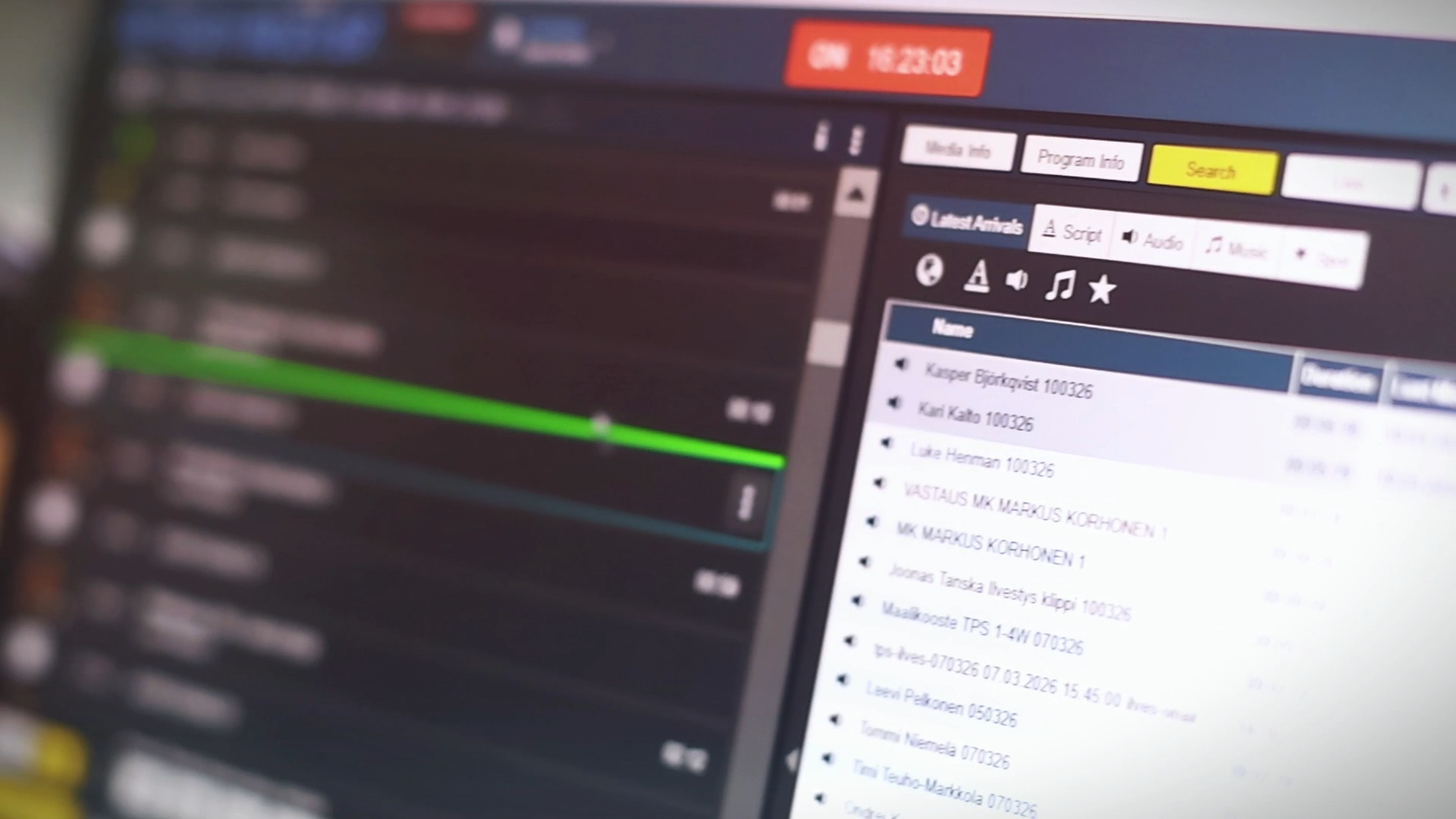
The core purpose of radio automation software is to ensure consistent, reliable broadcasting while reducing the technical burden on staff. Modern systems like RadioMan® offer web-based interfaces that allow broadcasters to control operations from virtually anywhere, making radio production more flexible and resilient.
Over time, radio automation has transformed from simple audio playout tools to comprehensive content management systems that integrate with various broadcast infrastructure components, creating unified workflows that span from content creation to multi-channel distribution.
How does radio automation software work?
Radio automation software works by creating a digital infrastructure that connects content creation, storage, scheduling, and broadcasting functions. At its core, the software manages audio playback through specialized media nodes that handle the technical aspects of broadcasting while offering user-friendly interfaces for operators.
The typical workflow begins with content ingestion—importing audio files, creating new recordings, or receiving live feeds into the system. This content is then organized in a digital library with metadata that makes it searchable and categorizable. Producers use the scheduling component to create playlists that define when specific content will air, including programming blocks, music rotations, advertisements, and jingles.
During broadcast, the playout engine executes the schedule, playing content at the programmed times while providing operators with controls to make live adjustments when needed. The system handles transitions between content items, maintaining broadcast continuity while enabling both fully automated operation and human-assisted broadcasting.
Modern systems like RadioMan® use web-based architectures that separate the user interface from the back-end infrastructure, allowing broadcasters to access and control their stations from standard computers or tablets with just a web browser, whether from a traditional studio or remote location.
What are the key features of radio automation software?
Radio automation software encompasses several essential features that support the complete broadcasting workflow:
- Content management system: Centralizes audio storage with metadata tagging, categorization, and search capabilities
- Playlist creation and scheduling: Tools to organize content into cohesive programming blocks with precise timing
- Automated playout: Reliable playback systems that execute scheduled programming with precise timing
- Live assist tools: Interfaces that allow presenters to control broadcasts, including jingle players (Cartwall), voice tracking, and live mixing capabilities
- Multi-channel distribution: Ability to manage content across multiple broadcast channels or stations from a single system
- Remote broadcasting capabilities: Tools for contributing and controlling broadcasts from outside the main studio
- Integration capabilities: APIs and connectors that allow the automation system to work with other broadcast technologies like traffic systems and newsroom solutions
These features work together to create a cohesive ecosystem that supports both automated and live broadcasting workflows while enabling teams to collaborate efficiently, regardless of physical location.
Who needs radio automation software?
Radio automation software serves various types of broadcasters with different operational needs:
- National public broadcasters: Large organizations that manage multiple channels with complex workflows and extensive content libraries
- Commercial radio networks: Companies operating multiple stations that need centralized content management with localized distribution
- Independent and community stations: Smaller operations that benefit from operational efficiency and the ability to run automated broadcasts during off-hours
- Web radio broadcasters: Online-only stations that need professional playout and scheduling capabilities
- Podcast producers: Content creators who use radio-style production workflows for episodic audio content
- Temporary or event broadcasters: Organizations setting up broadcasting for specific events, festivals, or dedicated sports radio channels
The scale and complexity of the automation solution typically match the organization’s size and requirements. Smaller broadcasters might use streamlined systems focusing on basic playout and scheduling, while larger networks implement comprehensive platforms that manage complex workflows across multiple locations and distribution channels.
What’s the difference between basic and enterprise radio automation systems?
The distinction between basic and enterprise radio automation systems lies primarily in their scalability, integration capabilities, and operational resilience:
Basic systems typically offer:
- Single-station operations with limited channel support
- Standard scheduling and playout functionality
- Limited remote access capabilities
- Basic content management with manual metadata handling
- Minimal integration with other broadcast systems
- Limited redundancy options
Enterprise systems like RadioMan® provide:
- Multi-station support managing numerous channels from one platform
- Advanced scheduling with complex rules and pattern management
- Comprehensive browser-based remote operation capabilities
- Extensive content management with sophisticated metadata handling
- Open APIs for integration with newsrooms, traffic systems, and content platforms
- The system employs cloud infrastructure with failover capabilities, ensuring that if one server experiences issues, broadcasting continues through backup systems
- Flexible deployment models (on-premises, cloud-based, or hybrid approaches)
- Multi-user collaboration with role-based access controls
Organizations typically select their automation tier based on operational complexity, growth projections, and the need for system resilience. Enterprise solutions offer greater flexibility for evolving broadcast operations. For more information, please contact us.