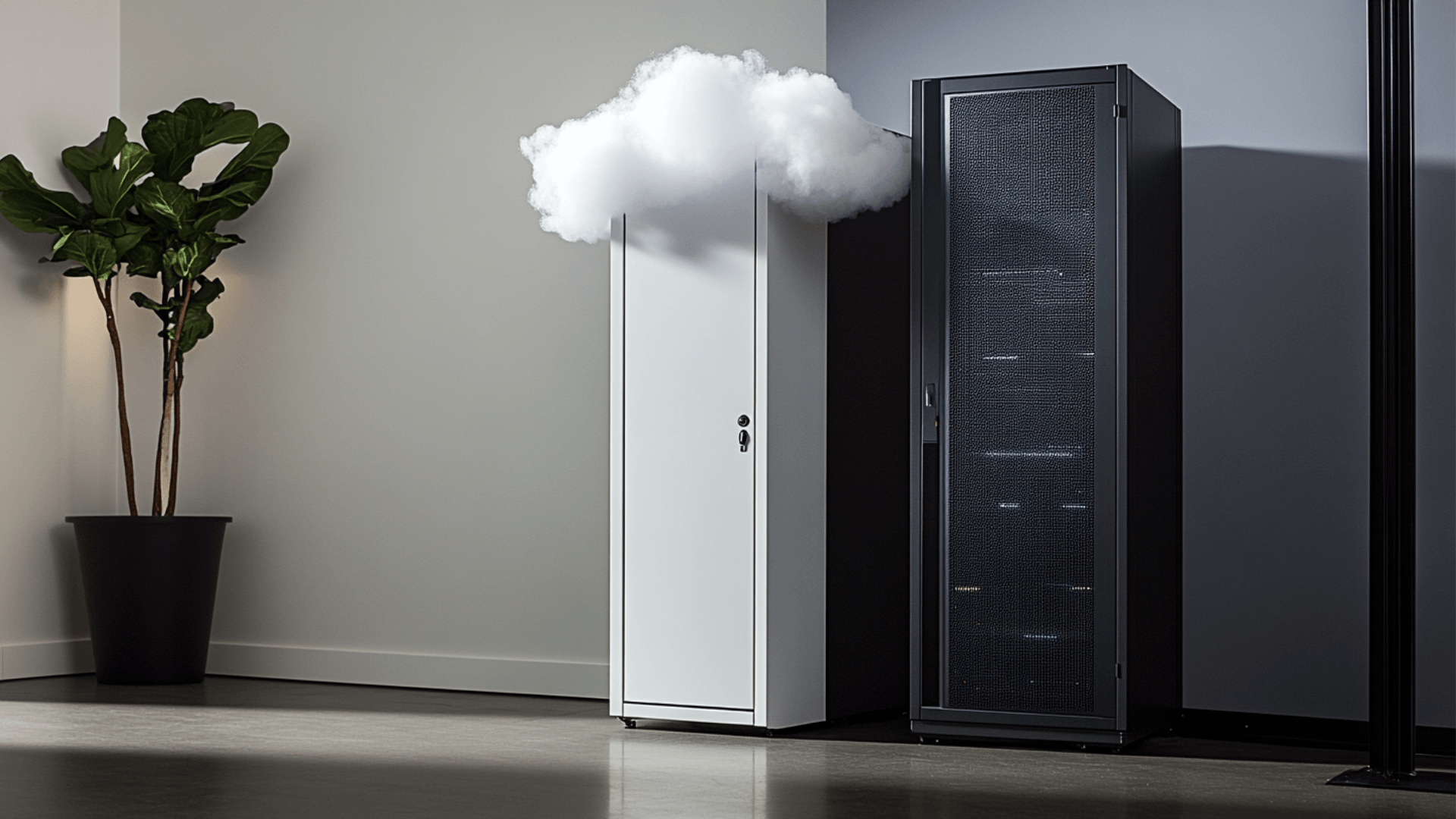
Radio disaster recovery is the process of restoring broadcast operations after an unexpected failure, whether caused by technical faults, power outages, cyberattacks, or physical damage to studio infrastructure. Every radio station, regardless of size, faces the real possibility of going off-air without warning, and a structured recovery plan determines whether that silence lasts seconds or hours. The questions below unpack how broadcast continuity works in practice, from the most common failure triggers to the specific components every recovery plan should include.
How does radio disaster recovery actually work?
Radio disaster recovery works by activating pre-configured backup systems, workflows, and content reserves the moment primary broadcast infrastructure fails. The goal is to restore a continuous, recognizable signal to listeners as quickly as possible, using redundant hardware, cloud-hosted playout, or emergency automation sequences that take over from the failed component.
In practical terms, a functioning broadcast disaster recovery setup involves several layers. At the most basic level, a station keeps a backup playout server or emergency playlist that activates when the primary system goes down. More sophisticated setups use geographically distributed infrastructure, where a secondary location or cloud environment can assume full playout duties without requiring anyone to be physically present in the studio.
The browser-based, cloud-native architecture of modern radio automation platforms like RadioMan® supports this approach directly. Because the system runs through a web browser rather than dedicated on-site hardware, operators can access and manage playout from any location during a crisis, reducing dependence on a single physical studio as the only point of control.
Recovery is not just about technology. It also depends on staff knowing exactly what to do, which system to switch to, and who holds decision-making authority when primary contacts are unreachable. The technical and human elements of recovery must be rehearsed together to work reliably under pressure.
What are the most common causes of broadcast failure?
The most common causes of broadcast failure are power outages, hardware faults, software crashes, network connectivity loss, and human error. Physical damage to studio facilities from fire, flooding, or severe weather also accounts for a significant share of unplanned outages, particularly for stations with older on-premise infrastructure.
Hardware failures remain a persistent risk even in well-maintained facilities. Servers, audio processing equipment, and transmission hardware all have finite lifespans, and a single failed component in a linear signal chain can silence an entire station. Software crashes, including issues with playout automation or operating system updates applied at the wrong time, introduce a different category of risk that is harder to predict.
Cybersecurity threats have become an increasingly serious cause of broadcast disruption. Ransomware attacks targeting media organizations can lock operators out of playout systems, scheduling databases, and content archives simultaneously. Stations that have achieved certifications such as ISO 27001 information security management demonstrate a structured approach to managing this risk, but certification alone does not eliminate it.
Human error, often underestimated in formal risk assessments, is a frequent contributor to outages. Accidental deletion of scheduled content, misconfigured routing, or an operator switching to the wrong source under pressure can each take a station off-air just as effectively as a hardware fault.
What’s the difference between disaster recovery and business continuity in broadcasting?
Disaster recovery in broadcasting refers specifically to restoring technical systems and broadcast output after a failure has already occurred. Business continuity is the broader strategy that keeps essential operations running throughout a disruption, including editorial decisions, staffing, communication with audiences, and regulatory compliance, not just the technical restoration of signal.
Think of disaster recovery as the emergency response and business continuity as the long-term resilience plan. A station with strong disaster recovery can get back on air quickly after a server failure. A station with strong business continuity can also manage the editorial workflow during an extended outage, communicate transparently with listeners, maintain relationships with advertisers, and comply with licensing obligations throughout the disruption.
In practice, the two strategies overlap significantly. A cloud-hosted radio automation environment, for example, contributes to both: it reduces recovery time by enabling remote playout, and it supports continuity by allowing editorial teams to keep producing and scheduling content from wherever they happen to be. The distinction matters most when organizations are allocating resources and assigning ownership. Disaster recovery tends to fall under technical operations, while business continuity requires input from management, legal, communications, and editorial teams.
How long does it take to recover a radio station after a failure?
Recovery time depends entirely on the type of failure and the quality of preparation. A station with a tested backup system and a clearly documented recovery plan can restore output in minutes. A station without redundancy, relying on manual intervention and physical hardware replacements, may be off-air for hours or longer.
Industry experience shows that the gap between these two outcomes is almost always determined before the failure happens, not during it. Stations that rehearse their recovery procedures, maintain up-to-date documentation, and keep backup systems in a ready state consistently achieve faster restoration times than those that treat recovery as a theoretical concern.
Several factors directly influence how long recovery takes:
- Detection speed: How quickly the failure is identified and confirmed as a genuine outage rather than a momentary glitch
- Failover mechanism: Whether switching to backup systems is a manual process or can be initiated remotely without physical access to the studio
- Content availability: Whether emergency playlists, news packages, and scheduled content are accessible from the backup environment
- Staff readiness: Whether on-call personnel know their roles and can act without waiting for authorization
- Infrastructure architecture: Whether the backup system is geographically separate from the primary, protecting against site-wide failures
Cloud-based broadcast systems reduce recovery time by decoupling playout from any single physical location. When the automation platform is accessible through a browser from any network-connected device, the question shifts from “how do we get back into the studio?” to “who picks up the laptop?”
Should radio stations use cloud-based or on-premise disaster recovery?
Cloud-based disaster recovery is generally the stronger choice for most radio stations today, because it removes geographic dependency, reduces hardware maintenance overhead, and enables remote access during exactly the kind of disruptions that make physical studio access impossible. On-premise backup remains relevant as a secondary layer, particularly for stations with strict data sovereignty requirements or unreliable internet connectivity.
The core advantage of cloud-based broadcast continuity is that the backup environment is inherently separate from the primary one. A fire, flood, or power failure that takes out a physical studio does not affect a cloud-hosted playout system. Operators can switch to the backup from any location with an internet connection, and content stored in the cloud remains accessible regardless of what happens on-site.
On-premise backup systems offer faster local response times and do not depend on internet connectivity, which matters in regions where network reliability is inconsistent. They also give stations complete control over their infrastructure and data. For information about investment and deployment options, please contact us directly.
A hybrid approach, combining a cloud-hosted primary or secondary system with on-site emergency playout capability, provides the broadest protection. RadioMan® supports on-premise, cloud, and hybrid deployments within the same platform, which means stations can design their recovery architecture around their specific risk profile without switching tools.
What should a radio station disaster recovery plan include?
A radio station disaster recovery plan should include a risk assessment, defined recovery time objectives, documented failover procedures, backup content provisions, staff contact and escalation protocols, and a regular testing schedule. Without all of these components in place and up to date, even well-resourced stations can find their recovery efforts slow and disorganized under real pressure.
The risk assessment identifies the specific failure scenarios most relevant to a given station, such as power loss, equipment failure, cyberattack, or site-level damage, and ranks them by likelihood and potential impact. This shapes where investment and preparation effort are concentrated.
Recovery time objectives define how quickly each critical function must be restored. A 24-hour news station has different tolerances than a music-format station running largely automated programming. Setting explicit targets makes it possible to evaluate whether the current backup setup is adequate.
Documented failover procedures should be written clearly enough that a staff member who has never performed them before can follow them under stress. Procedures that exist only in the knowledge of a single engineer create a single point of failure in the human layer of the recovery plan.
Backup content provisions ensure that even if the primary content library is inaccessible, the station has enough pre-approved music, news packages, and emergency programming to broadcast for an extended period. Cloud-based media asset management makes this significantly easier to maintain.
Finally, regular testing is what separates a plan that works from a plan that looks good on paper. Recovery procedures should be rehearsed at least annually, with results documented and used to update the plan. A disaster recovery plan that has never been tested is, in practice, an untested assumption.