Jutel’s RadioMan® software enables broadcasting professionals to work from virtually anywhere by providing a comprehensive cloud-based platform for radio production and transmission. Learn more about the RadioMan® platform. With its virtualized workflows, secure remote access capabilities, and flexible deployment options, RadioMan eliminates geographical constraints for broadcasters. Teams can collaborate on content creation, scheduling, and playout regardless of physical location, making it an ideal solution for modern radio operations that require mobility, disaster preparedness, and distributed talent management.
What is RadioMan® automation software and how does it work?
RadioMan is a comprehensive radio automation solution developed by Jutel, a Finnish technology company specializing in broadcasting software. This advanced system serves as the central nervous system of modern radio operations, integrating multiple aspects of production into one cohesive platform. At its core, RadioMan provides tools for content creation, program planning, scheduling, broadcasting, and archiving—all accessible through an intuitive interface.
The software utilizes a modular architecture that allows radio stations to customize their setup according to specific needs. These modules work together seamlessly, enabling smooth workflows from initial content planning to final broadcast. RadioMan’s database-driven design stores all media assets, metadata, and scheduling information in a centralized repository, making content management efficient and organized.
What sets this radio automation software apart is its ability to handle both live broadcasting and automated playout scenarios. Engineers and producers can pre-program content sequences while maintaining flexibility for live interventions when necessary. The system manages audio files, playlists, commercials, and other broadcast elements with precision timing, ensuring professional-quality radio production.
How does RadioMan enable location-independent broadcasting?
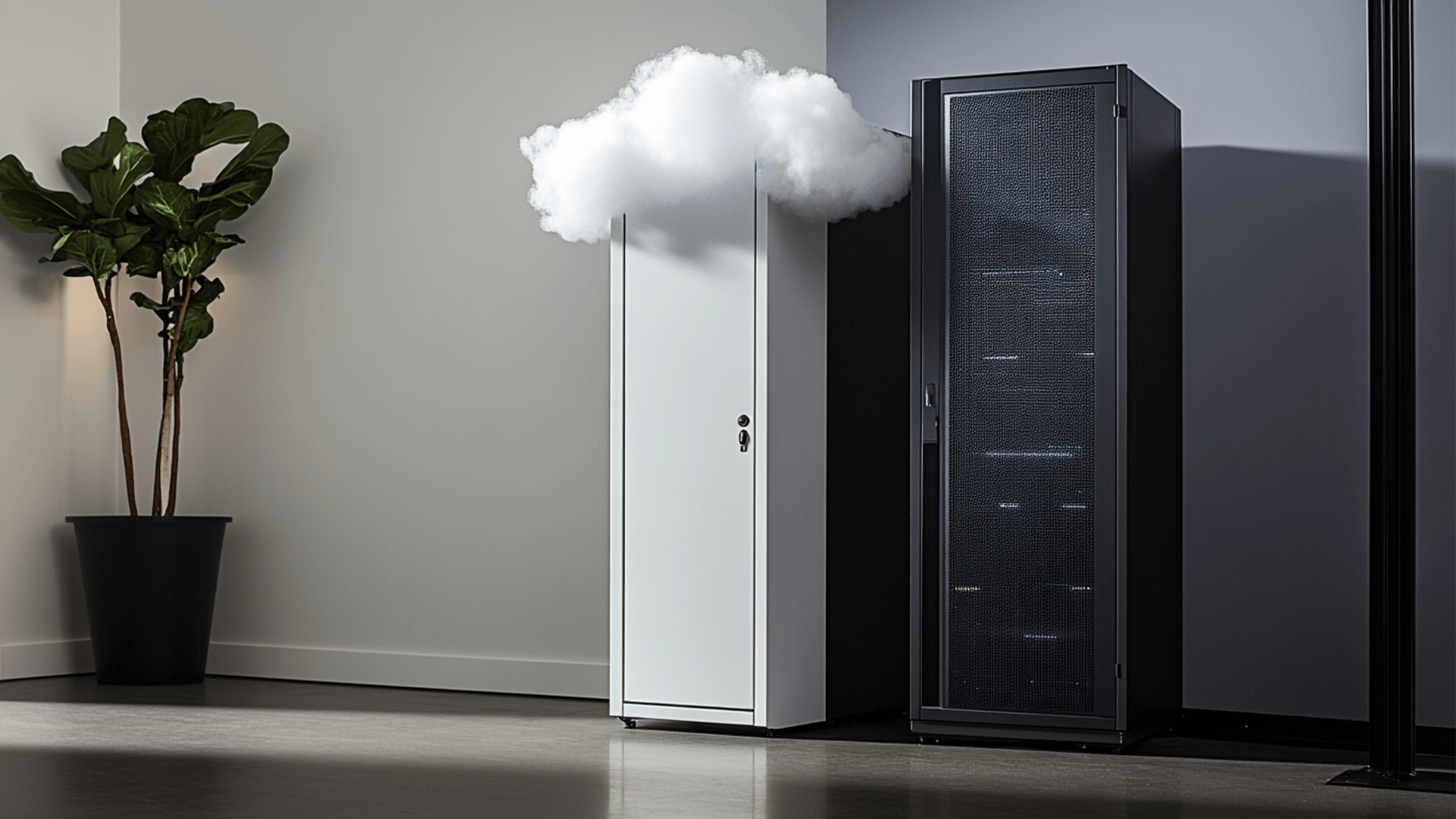
The foundation of RadioMan’s location-independent capabilities lies in its cloud-based infrastructure. By leveraging cloud technology, this automation radio software allows broadcasters to access their complete production environment from virtually any location with internet connectivity. This represents a significant shift from traditional broadcasting models that required physical presence in a studio.
RadioMan’s virtualized workflows eliminate geographical barriers by making all production tools available through secure web interfaces. Producers can upload content, edit audio, schedule programs, and monitor broadcasts remotely using standard devices like laptops or tablets. This flexibility extends to collaborative work, with multiple team members able to access and contribute to projects simultaneously from different locations.
The system’s architecture supports distributed broadcasting models where content creation, production, and transmission can occur from separate locations. This is made possible through:
- Browser-based access to the complete production environment
- Real-time synchronization of content across locations
- Remote control of broadcast functions
- Secure cloud storage for media assets
- Virtual studio capabilities that simulate traditional broadcasting setups
RadioMan’s regional broadcasting capability allows stations to deliver different content to different areas. For example, different announcements, news, and advertisements can be broadcast in Oulu compared to those in Helsinki, allowing for regionally tailored broadcasting while maintaining central control.
What are the key benefits of using RadioMan for remote radio operations?
Implementing RadioMan as an automated radio software solution delivers several compelling advantages for broadcasters embracing remote operations. Operational flexibility stands as perhaps the most significant benefit—stations can maintain continuity regardless of physical circumstances, allowing talent to contribute from any location while maintaining professional broadcast quality.
The system provides robust disaster recovery capabilities, ensuring that broadcasting can continue even if a primary studio becomes inaccessible. By distributing operations across multiple locations, radio stations create natural redundancy that safeguards against local disruptions like power outages or connectivity issues.
Cost efficiency represents another major advantage, as remote broadcasting reduces the need for extensive physical infrastructure. Stations can operate with smaller studio footprints or repurpose existing spaces while maintaining full production capabilities. This translates to lower overhead costs for facilities, equipment, and maintenance.
Additionally, RadioMan enables broadcasters to tap into diverse talent pools without geographical limitations. Specialists, guests, and contributors can participate in productions from anywhere, expanding creative possibilities and program diversity without travel expenses or logistical complications.
How secure is RadioMan for remote broadcasting scenarios?
Security is paramount in any remote broadcasting environment, and RadioMan incorporates multiple layers of protection to safeguard operations. The system employs industry-standard encryption protocols for all data transmission, ensuring that content and communications remain protected against unauthorized access during remote sessions.
Comprehensive access control mechanisms allow administrators to define precise permissions for each user, limiting system access based on roles and responsibilities. This granular approach to security ensures that team members can only interact with the components necessary for their specific functions, reducing potential vulnerability points.
For business continuity, RadioMan includes failover systems and redundancy features that maintain broadcast integrity even during technical disruptions. The system employs cloud infrastructure with failover capabilities, ensuring that if one server experiences issues, broadcasting continues through backup systems. Backup processes preserve content and configuration data, while monitoring tools provide real-time alerts about potential security events or system performance issues.
The radio software also incorporates authentication safeguards requiring multi-factor verification for remote access to critical broadcast functions, adding an additional security layer beyond standard password protection.
Can RadioMan integrate with existing radio station equipment?
RadioMan is designed with compatibility as a core principle, allowing seamless integration with diverse broadcasting environments. The software radio automation system connects with industry-standard hardware components including audio consoles, playout systems, and transmission equipment through established protocols and interfaces.
Legacy systems integration is accomplished through specialized adapters and middleware that bridge technological generations, enabling stations to preserve existing investments while adding new capabilities. This hybrid approach allows for gradual migration rather than requiring complete infrastructure replacement.
RadioMan supports connectivity with third-party services and applications commonly used in broadcasting, from music scheduling tools to traffic management systems. These integrations create cohesive workflows that span multiple platforms while maintaining centralized control within the RadioMan environment.
The system’s API framework facilitates custom integrations for specialized equipment or unique operational requirements, ensuring that virtually any technical ecosystem can incorporate RadioMan’s automation capabilities without compromising existing processes.
RadioMan® location-independent broadcasting: Implementation guide
Transitioning to location-independent operations with RadioMan begins with thorough assessment and planning. Organizations should evaluate their current workflows, identify remote broadcasting priorities, and determine which functions require mobility. This foundation informs decisions about module selection and deployment approaches.
Technical preparation represents the next crucial phase, including:
- Ensuring sufficient bandwidth and network reliability at all locations
- Configuring secure VPN connections for remote access
- Establishing cloud storage resources for media assets
- Setting up redundant internet connections for critical broadcast functions
Comprehensive training is essential for successful implementation. Staff need instruction not only on software operation but also on remote broadcasting protocols and troubleshooting techniques. Jutel provides structured learning resources tailored to different roles within the broadcasting team.
A phased deployment approach typically delivers the best results, beginning with non-critical functions before transitioning core broadcast operations. This methodology allows for adjustments based on real-world performance and user feedback while minimizing disruption to ongoing broadcasting.
Want to discover how RadioMan can transform your broadcasting operations into a flexible, location-independent system? Learn more about the RadioMan product and explore implementation options for your specific needs. Contact us today to discuss pricing and how we can help your station embrace the future of radio broadcasting.