Small radio stations benefit most from mobile broadcasting technology by eliminating the need for expensive field equipment and fixed studio infrastructure. A journalist with a smartphone can now contribute live audio from anywhere, while cloud-based tools handle scheduling, playout, and distribution automatically. The questions below unpack exactly where those gains show up in practice.
What Mobile Broadcasting Features Matter Most to Small Stations?
For small radio stations, the most valuable mobile broadcasting features are browser-based access, smartphone-driven live contribution, and cloud-hosted playout. These three capabilities let a lean team produce and broadcast professional-quality content without dedicated hardware at every location. Everything else is secondary to removing the dependency on physical infrastructure.
Browser-based interfaces matter enormously for stations with small teams. When producers, presenters, and editors can access the same production environment from a laptop or tablet anywhere with an internet connection, the station stops being tied to a single room. Scheduling, audio editing, and on-air control all become location-independent tasks.
Smartphone live contribution is equally important. Tools like RadioMan® Lamppu let journalists join live broadcasts directly from their phones, with studio operators retaining full control of the mix. No codec hardware, no satellite uplink, no van parked outside an event. A reporter at a local sports match or a town council meeting can go live with a single button press.
Finally, automated playout in the cloud means a small station can maintain continuous broadcasting even when no one is physically present in the studio. Scheduled music, pre-recorded segments, and news clips play out reliably without a technician on-site.
How Does Mobile Broadcasting Reduce Costs for Small Radio Stations?
Mobile broadcasting reduces costs for small radio stations primarily by replacing expensive dedicated hardware with software running on standard devices. Instead of purchasing field codecs, satellite uplinks, or additional studio equipment for remote locations, stations use smartphones and web browsers. This shift lowers both upfront capital expenditure and ongoing maintenance costs.
Hardware savings are the most immediate. Traditional remote broadcasting required physical codec units costing thousands per unit, plus licensing and maintenance. A mobile broadcasting app running on a journalist’s existing smartphone eliminates that line item entirely. When a broadcaster documented by RedTech managed 18 regional content windows without regional studios or hardware codecs, the cost reduction was structural, not incremental.
Staffing costs also fall. When a single operator can manage multiple content streams from one central interface, small stations can produce more output without proportionally increasing headcount. Cloud-based scheduling and automated playout handle the repetitive work that previously required someone in the building around the clock.
Infrastructure costs shift from capital to operational. Cloud-hosted radio automation runs on a subscription or service model, which means a small station pays for what it uses rather than investing in servers and physical plant that sit underutilized. Scaling up for a special event or expanding to a new region adds capacity without adding hardware.
Can Small Radio Stations Broadcast Live from Anywhere with Mobile Tools?
Yes, small radio stations can broadcast live from virtually anywhere using mobile tools, provided they have a reliable internet connection. Modern mobile broadcasting software handles audio contribution, studio communication, and live integration entirely over IP, making geographic location irrelevant to whether a broadcast can happen.
The practical reality is that live remote broadcasting used to require a chain of specialized equipment: a field codec, a studio codec, a dedicated ISDN or satellite line, and a technician who understood all of it. Mobile broadcasting technology collapses that chain into a single app. A journalist can open the app, connect to the studio system, and be on air within seconds.
Studio control remains centralized even when contributors are spread across different locations. The studio operator sees all incoming connections, controls levels, and decides what goes to air. Contributors in the field hear the program feed through their earphones and speak when cued, exactly as they would in a physical studio. The experience for the listener is indistinguishable from a traditional setup.
For small stations that cover local events, sports, or breaking news, this capability is particularly valuable. Sending a reporter to cover a story no longer means investing in a field kit or hiring a technical operator to accompany them. The journalist handles everything from their phone, and the studio handles the broadcast.
What’s the Difference Between Cloud-Based and On-Premises Broadcasting for Small Stations?
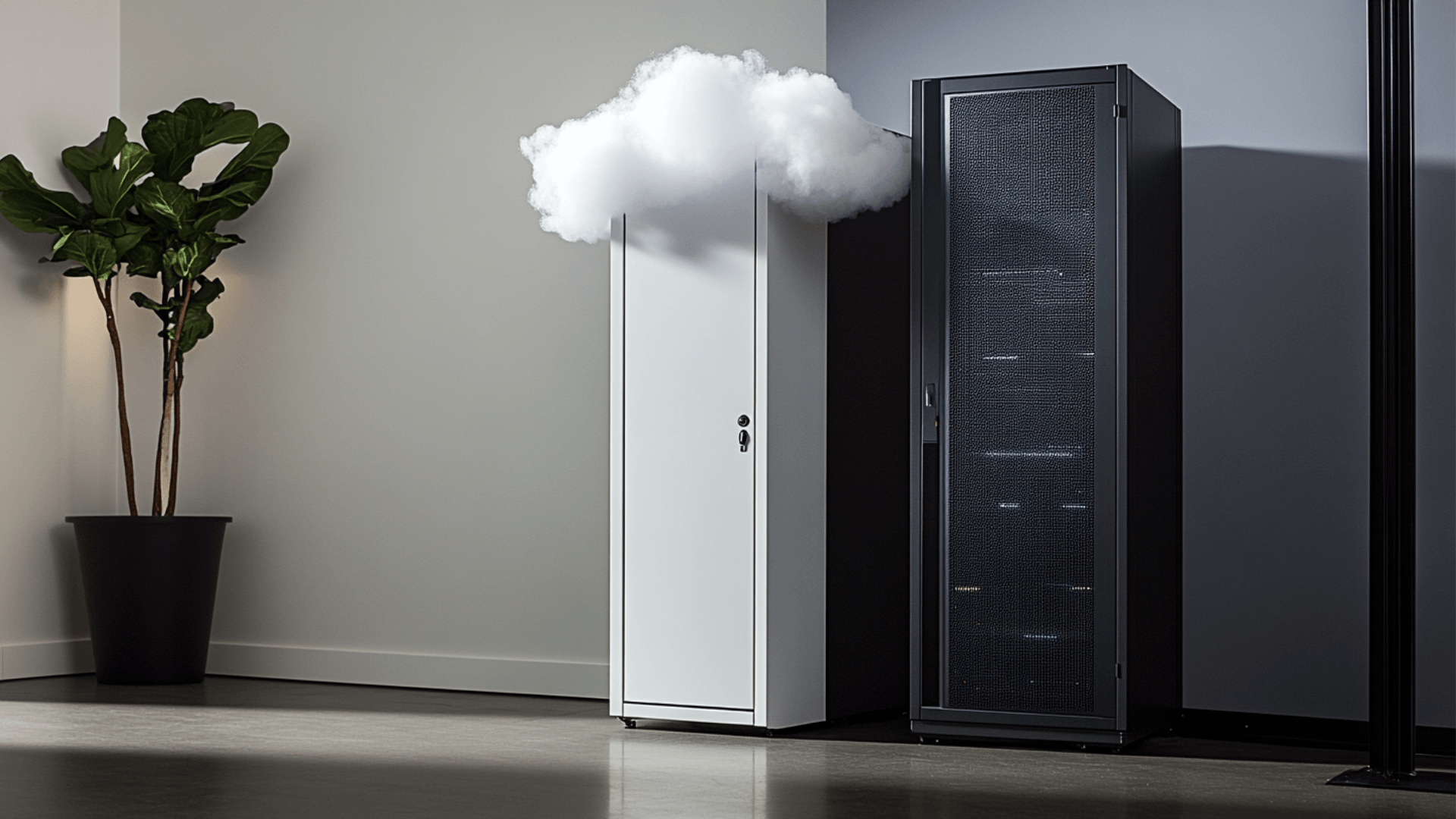
The core difference is where the software and audio processing run. On-premises broadcasting keeps servers, playout systems, and storage physically inside the station. Cloud-based broadcasting moves those functions to remote data centers accessible over the internet. For small stations, this distinction directly affects cost, flexibility, and technical overhead.
On-Premises Broadcasting
On-premises setups give stations direct physical control over their infrastructure. Servers are on-site, and the system operates independently of internet connectivity for core playout functions. This can matter in areas with unreliable internet. However, on-premises systems require capital investment in hardware, ongoing maintenance, and technical staff who can manage the equipment. For a small station with limited IT resources, this overhead can be a significant burden.
Cloud-Based Broadcasting
Cloud-based radio broadcasting moves infrastructure responsibility to the software provider. The station accesses everything through a web browser, and updates, backups, and system maintenance happen without station staff involvement. RadioMan®, for example, supports fully cloud-native deployment where playout, scheduling, and content management all run remotely. A small station can operate with minimal on-site hardware while still broadcasting 24 hours a day.
Many stations choose a hybrid approach, keeping some local infrastructure for resilience while using cloud services for flexibility and remote access. This middle ground suits stations that want the operational benefits of cloud broadcasting without fully removing their on-site capability. The right choice depends on the station’s internet reliability, technical team size, and growth plans, and there is no single correct answer for every situation.
How Does Mobile Broadcasting Technology Improve Content Output for Small Stations?
Mobile broadcasting technology improves content output for small stations by removing the logistical barriers that previously limited how much live and location-specific content a lean team could produce. When reporters can contribute from the field without additional equipment, and when editors can work from any device, the station produces more varied content with the same number of people.
Live coverage expands significantly. A small station that previously could only broadcast live from its studio can now send reporters to local events, council meetings, school sports days, and breaking news scenes without any additional hardware investment. Each of those events becomes a live broadcast opportunity rather than a story that gets recorded and edited for later.
Production turnaround also improves. Mobile audio production tools let journalists record, edit, and send finished audio before they have even left the location. An interview recorded at a community event can be cleaned up, trimmed, and uploaded while the journalist is still on-site. By the time they return to the station, the content is ready to air.
For stations covering multiple geographic areas, mobile tools make regional content practical. Rather than requiring a physical studio in each location, contributors across a region can each use a mobile app to deliver local content into a centrally managed broadcast. The station’s geographic reach expands without a corresponding increase in infrastructure. For small stations trying to grow their local relevance, that combination of reach and efficiency is one of the most direct benefits mobile broadcasting technology offers.
If you want to explore how these capabilities could work for your station, contact Jutel to discuss your specific setup and requirements.