Modern broadcasters are embracing cloud technology to transform their radio production workflows. Jutel’s RadioMan® platform offers a comprehensive solution that enables content creation, scheduling, broadcasting, and archiving through cloud infrastructure. Learn more about the RadioMan® platform. This advanced system allows radio professionals to collaborate remotely, scale resources dynamically, and maintain operational continuity regardless of physical location. By moving essential production capabilities to the cloud, broadcasters gain flexibility while reducing hardware dependencies and maintenance costs.
What is RadioMan® and how does it support cloud-based radio production?
RadioMan represents a revolutionary approach to radio production, offering a complete platform that operates seamlessly in cloud environments. As a sophisticated radio automation software, it transforms traditional broadcasting workflows by eliminating the constraints of physical infrastructure. The system’s architecture is fundamentally different from legacy on-premise solutions, utilizing web-based technologies that allow access from any location with internet connectivity.
The core functionality of this radio software spans the entire production cycle. Content planning, recording, editing, scheduling, playout, and archiving are all integrated within a unified interface. This comprehensive approach eliminates the need for multiple disconnected systems that have historically complicated radio operations.
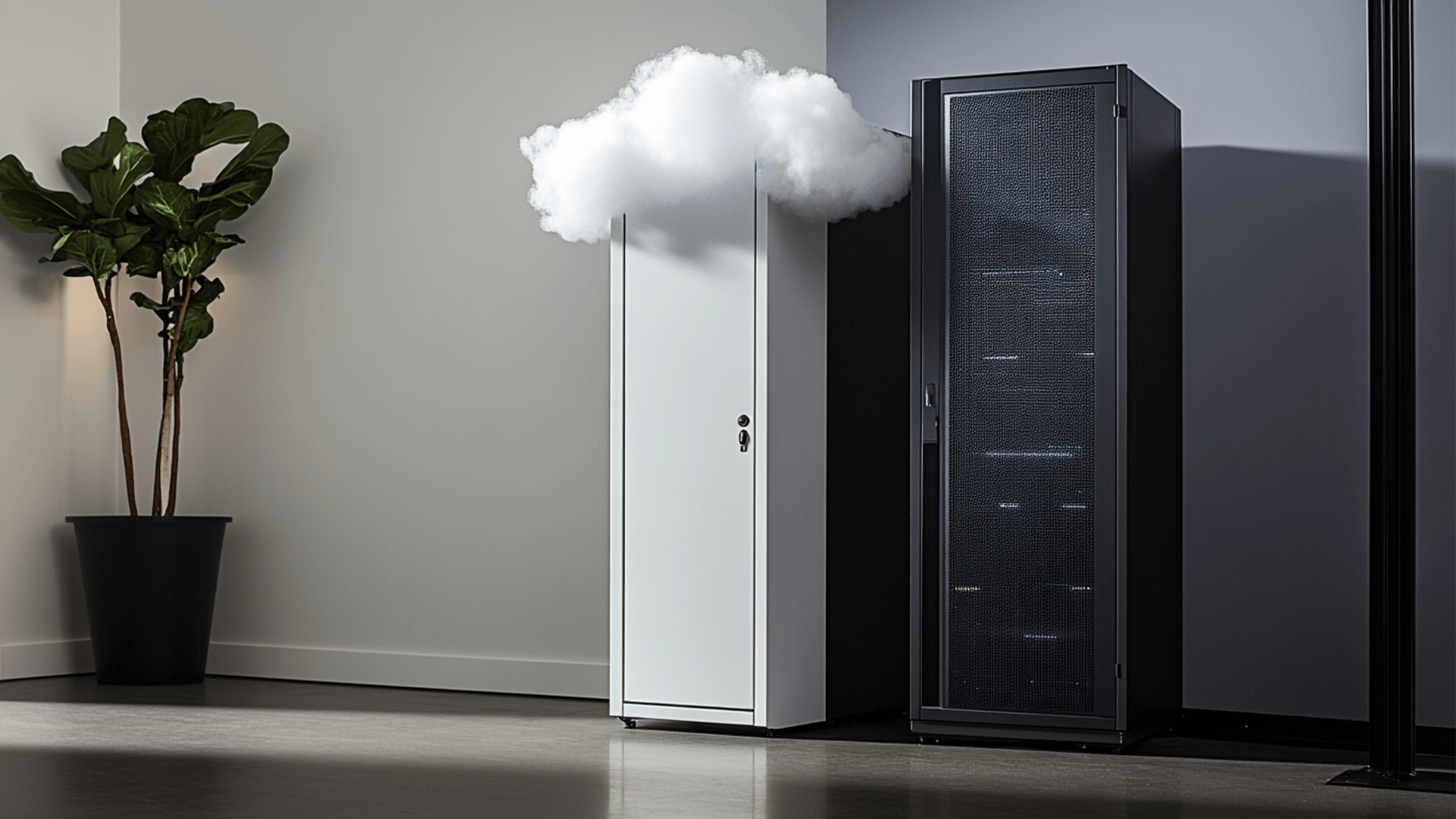
Unlike conventional on-premise installations, RadioMan’s cloud implementation removes hardware limitations and maintenance concerns. Broadcasters no longer need dedicated server rooms or specialized equipment, as the platform operates through standard web browsers. This architecture supports truly distributed teams who can access the same tools and content libraries simultaneously, regardless of their physical location.
What are the key benefits of using RadioMan for broadcasters?
The transition to cloud-based radio automation software delivers significant advantages for broadcasting organizations. Cost efficiency stands as perhaps the most immediately apparent benefit. By moving to a cloud model, stations eliminate substantial capital expenses associated with hardware purchases and ongoing maintenance. For information about pricing and how the model can be tailored to your organization’s needs, please contact us directly.
Scalability represents another crucial advantage. Broadcasting requirements fluctuate naturally with seasonal programming, special events, and organizational growth. The cloud architecture allows for immediate resource expansion or contraction without hardware modifications or service interruptions. This elasticity ensures optimal performance even during peak demand periods.
Remote collaboration capabilities fundamentally transform how teams operate. Producers, hosts, technicians, and administrators can simultaneously access the system from different locations, enabling true distributed production workflows. Content can move seamlessly between team members regardless of their physical location, supporting flexible work arrangements while maintaining production standards.
Workflow optimization through integrated tools eliminates many manual processes that traditionally slow production. Automated content ingest, metadata tagging, and distribution streamline operations while reducing opportunities for error. This efficiency allows creative teams to focus on content quality rather than technical processes.
RadioMan also offers the ability to broadcast different content such as announcements, news, and advertisements to specific geographical areas. For example, events in Oulu can be advertised to the Oulu region while Helsinki area listeners receive information about local Helsinki events.
How does RadioMan integrate with existing broadcasting infrastructure?
Successful implementation of automation radio software requires seamless integration with existing systems. RadioMan excels in this area through support for industry-standard protocols and file formats. This compatibility ensures that legacy equipment like audio consoles, playout systems, and storage archives can connect to the cloud platform without requiring wholesale replacement.
API connectivity allows RadioMan to exchange data with third-party tools that may be essential to established workflows. This interoperability extends to traffic systems, music scheduling applications, and content management platforms. The open architecture prevents the formation of technological islands within the organization.
The implementation process typically begins with a comprehensive assessment of current infrastructure and workflows. This evaluation identifies integration requirements, potential challenges, and opportunities for improvement. Based on this analysis, a phased migration plan ensures operational continuity while transitioning to the cloud environment.
Compatibility considerations include network bandwidth requirements, browser specifications, and peripheral equipment connectivity. These factors are addressed during initial planning to ensure smooth implementation. The platform’s browser-based interface minimizes client-side requirements, simplifying deployment across different workstations and operating systems.
What security features does RadioMan offer for cloud-based radio production?
Security remains a paramount concern when moving broadcast operations to cloud environments. RadioMan addresses these concerns through a comprehensive security framework designed specifically for media organizations. Access controls implement role-based permissions that restrict system capabilities based on user responsibilities, ensuring team members can only access appropriate tools and content.
Data protection measures include encryption for both transmission and storage, safeguarding valuable content from unauthorized access. Regular security audits and updates address emerging vulnerabilities before they can impact operations. These protections extend to all aspects of the platform, from content libraries to scheduling information.
The system employs cloud infrastructure with failover capabilities, ensuring that if one server experiences issues, broadcasting continues through backup systems.
Compliance with broadcasting industry standards and regulations is built into the platform’s architecture. The system maintains compliance with data protection requirements, content security standards, and broadcast-specific regulations. This regulatory alignment simplifies audit processes and reduces compliance-related administrative burdens.
How are radio stations transitioning from on-premise to RadioMan’s cloud solution?
The migration from traditional systems to cloud-based automated radio software typically follows a structured pathway designed to minimize disruption. Most organizations begin with a parallel implementation where cloud systems operate alongside existing infrastructure. This approach allows for testing and validation before complete transition.
Potential challenges during migration include content transfer, workflow adaptation, and team training. These challenges are addressed through comprehensive planning and phased implementation. The migration strategy prioritizes critical functionalities to establish operational foundations before adding more complex capabilities.
Success metrics for cloud migrations generally focus on system reliability, team adoption rates, and operational efficiency improvements. These measurements help guide the implementation process and identify areas requiring additional attention. Regular assessment against these metrics ensures the transition delivers expected benefits.
While each broadcaster’s journey is unique, the transition process generally spans several months, with complexity determined by existing infrastructure and operational requirements. The phased approach ensures that production continuity remains uninterrupted throughout the migration period.
RadioMan for modern broadcasting: Future-proofing your radio production
As broadcasting continues to evolve, software radio automation solutions like RadioMan position organizations to adapt quickly to industry developments. The platform’s flexible architecture ensures it can evolve alongside industry innovations.
RadioMan enables consistent content delivery across multiple distribution pathways. From traditional broadcasts to podcasts, streaming services, and social media, the platform helps broadcasters reach audiences wherever they consume audio content.
For broadcasters considering cloud migration, practical next steps include conducting a thorough assessment of current workflows, identifying integration requirements, and developing a phased implementation strategy. This methodical approach ensures successful transition while minimizing operational disruption.
We invite you to learn more about how RadioMan can transform your broadcasting operations. Our team can provide personalized consultations to address your specific requirements and demonstrate how our solutions can enhance your production capabilities. Contact us today to discuss how RadioMan can future-proof your radio production workflows.