Mobile broadcasting solutions are software tools and platforms that enable journalists to produce audio content from any location using internet-connected devices. These systems eliminate the need for traditional studio infrastructure, allowing reporters to go live instantly from the field. Modern mobile broadcasting has transformed journalism by enabling faster news delivery, more flexible coverage, and professional-quality broadcasts from remote locations.
What are mobile broadcasting solutions and why do journalists need them?
Mobile broadcasting solutions are cloud-based platforms that allow journalists to produce and transmit professional audio content from anywhere using smartphones, tablets, or laptops. These tools provide the same capabilities as traditional studio equipment but through browser-based or app-based interfaces that require only an internet connection.
The journalism landscape has shifted dramatically toward location-independent reporting. Breaking news doesn’t wait for reporters to return to the studio, and audiences expect immediate coverage from wherever events unfold. Mobile broadcasting addresses this reality by putting full production capabilities in journalists’ hands regardless of their physical location.
These solutions deliver practical benefits that directly impact news coverage quality and speed. Reporters can conduct live interviews from sporting events, public gatherings, or breaking news scenes without coordinating complex technical setups. The technology handles audio mixing, level adjustments, and broadcast integration automatically, allowing journalists to focus on reporting rather than technical operations.
Traditional field reporting required carrying multiple devices, coordinating with technical staff, and managing complicated integrations. Modern mobile broadcasting solutions have eliminated these barriers, making professional-quality remote production accessible to journalists of all technical skill levels.
How does radio automation software work for mobile broadcasting?
Radio automation software for mobile broadcasting operates through cloud-hosted systems that manage content scheduling, playlist control, and live audio mixing via internet connectivity. Journalists access these platforms through web browsers or dedicated applications, controlling broadcast operations remotely without requiring physical presence in a traditional studio environment.
The core functionality centres on distributed architecture where the broadcast management system runs in the cloud or on-premises. When a journalist needs to go live, they connect to the system through their device, which streams their audio input to the central broadcast node. This node handles mixing the journalist’s contribution with scheduled content, applies professional audio processing, and distributes the final output to transmission systems or streaming platforms.
Content scheduling works through interfaces where producers and journalists can plan programming, arrange playlists, and set automation rules from any location. The system executes these schedules automatically while allowing manual intervention when live situations require immediate adjustments. Audio integration happens in real-time, with the software managing transitions between automated content and live contributions.
The technical architecture supporting mobile broadcasting includes media nodes that handle the actual audio processing and mixing. These nodes can be deployed in cloud environments or physical locations, but journalists interact with them through lightweight interfaces that work on standard devices. The system manages audio quality, applies compression and level adjustments suitable for FM or streaming broadcasts, and ensures stable connections even when reporters work from challenging network conditions.
What features should journalists look for in mobile broadcasting solutions?
Journalists need mobile broadcasting solutions with browser-based accessibility, one-tap connection capabilities, reliable audio quality, and seamless integration with existing broadcast workflows. Essential features include instant live broadcast participation, real-time monitoring, two-way communication with studio operators, and interfaces simple enough to operate while reporting from fast-moving situations.
Browser-based and app-based accessibility matters because journalists can’t always install specialized software or carry dedicated hardware. Solutions that work through standard web browsers or lightweight mobile apps on iOS and Android devices provide the flexibility field reporting demands. This approach eliminates compatibility issues and allows journalists to contribute from borrowed devices when necessary.
Cloud integration ensures journalists can access the full broadcast system from anywhere with internet connectivity. This includes not just going live but also accessing program schedules, reviewing content plans, and coordinating with studio teams. Cloud architecture also means automatic updates without requiring manual installations or technical maintenance by journalists.
Audio quality standards remain non-negotiable even in mobile contexts. Professional broadcasting requires consistent levels, proper compression, and clean audio that meets transmission standards. Look for solutions with built-in audio processing that automatically handles these technical requirements, so journalists don’t need to manually adjust gain levels or apply filters while reporting.
Ease of use in field conditions means interfaces designed for quick operation, often with single-button controls for common actions like requesting talk access or muting output. Journalists reporting from events need to focus on their surroundings and interview subjects, not navigate complex menus or remember multi-step procedures.
How does RadioMan Lamppu address the needs of mobile journalists?
RadioMan Lamppu is a specialized mobile remote broadcasting tool designed specifically for journalists who need instant live broadcast capability from any location. This browser-based and app-based solution connects reporters directly to the RadioMan® radio automation system, enabling professional-quality contributions with just a smartphone and no additional equipment required.
The system works through a streamlined workflow where journalists log into the Lamppu application, select their target broadcast, and tap a single button to connect. Once connected, they can listen to the program mix signal and appear on the studio’s guest list, signaling their availability. When ready to go live, reporters tap the talk button to request access, which the studio can grant immediately or automatically depending on configuration.
Lamppu provides seamless integration with the RadioMan® radio automation system, giving studio operators full control through features like journalist identification, virtual fader control for audio levels, and automatic background audio fading. When a field journalist activates their broadcast function, the system automatically fades out music or other content, switches to the live contribution, and resumes automated programming when the reporter finishes. This creates professional transitions without requiring manual coordination.
The platform includes practical features that support real journalism workflows. Two-way talkback allows private communication between reporters and producers without going on air. Clock displays and countdown timers help journalists maintain program timing accuracy. Audio cues provide smooth broadcast handovers. The system can even grant specific users permission for live commentary during programs, supporting scenarios like sports coverage where multiple contributors need coordinated access.
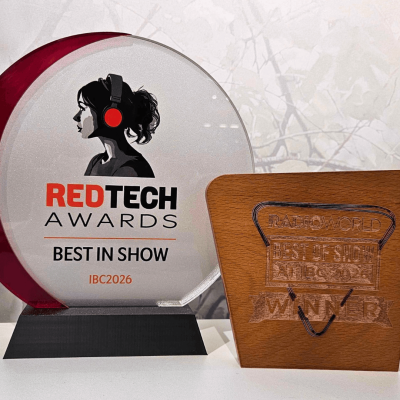
The solution has gained industry recognition, winning the RedTech Best in Show Award at IBC2025 and the Product of the Year 2025 award in the Radio category at NAB Show 2025. Broadcasters worldwide use Lamppu for stable, high-quality contributions even in demanding field conditions.
Learn more about how RadioMan Lamppu can transform your mobile journalism capabilities, or contact Jutel for guidance on implementing this solution within your specific broadcast workflow.
What are the practical benefits of cloud-based broadcasting for news organizations?
Cloud-based broadcasting delivers operational flexibility, reduced infrastructure costs, improved disaster recovery capabilities, and enhanced collaboration for distributed teams. News organizations gain the ability to deploy reporters anywhere while maintaining professional broadcast quality, scale operations without hardware investments, and respond faster to breaking news situations.
Operational flexibility transforms how news teams work. Journalists can broadcast from any location with internet access, eliminating geographical limitations that previously required expensive remote broadcasting equipment or coordination with local facilities. This flexibility extends to studio operations as well, where producers can manage broadcasts from home, satellite offices, or while traveling, ensuring continuity even when physical facilities are unavailable.
Scalability benefits organizations of all sizes. Small stations can access enterprise-grade broadcast capabilities, while larger networks can expand to new markets or add contributors without deploying additional hardware. The same platform serves single-station operations and multi-market networks, growing with organizational needs. For information on pricing tailored to your organization, please contact Jutel.
Disaster recovery and business continuity improve dramatically with cloud architecture. Traditional broadcasting depends on physical facilities vulnerable to equipment failures, power outages, or natural disasters. Cloud-based systems distribute operations across multiple locations, allowing broadcasts to continue even if specific facilities become unavailable. Failover between systems can be managed manually when needed, maintaining broadcast continuity.
Collaboration capabilities across distributed teams enable better coordination and resource sharing. Multiple journalists can access the same broadcast system simultaneously, producers can monitor field reporters in real-time, and content created in one location becomes immediately available to the entire organization. This connectivity supports more efficient workflows and better use of journalistic resources across markets and time zones.
Faster deployment for breaking news coverage happens because reporters already carry the tools they need. When news breaks, journalists can go live immediately rather than coordinating technical setups or traveling to studio facilities. This speed advantage translates directly into competitive benefits for news organizations that can deliver coverage faster than competitors still relying on traditional broadcasting infrastructure.